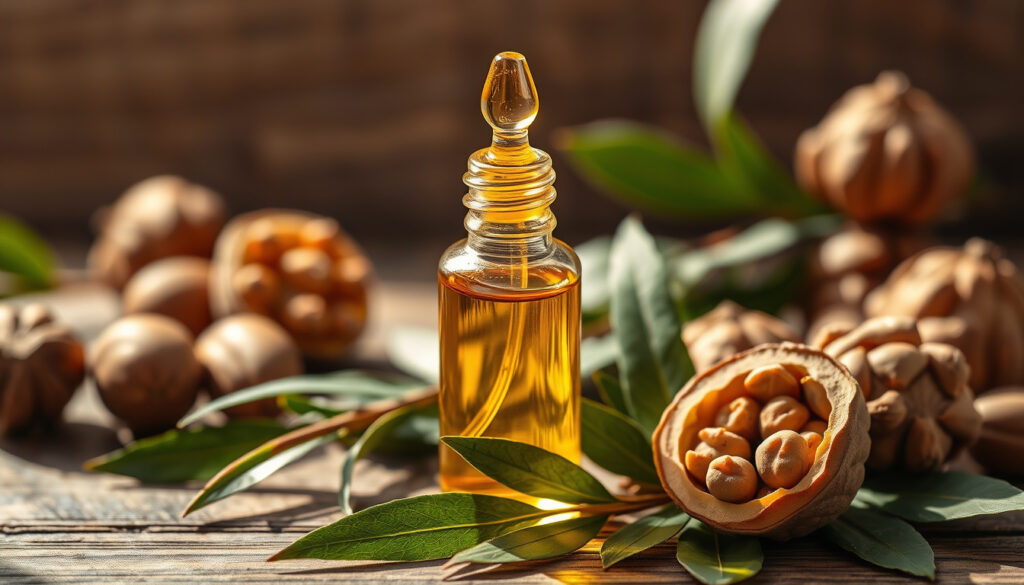
Argan Oil for Hair: Benefits, How to Use, and Best Products
Argan oil isn’t a miracle cure for every hair woe, but its fatty-acid profile makes it uniquely suited to dry, high-porosity strands. This guide examines what the evidence actually says about argan oil for hair, how to apply it correctly, and whether it lives up to the hype for concerns like high porosity and hair growth.
Origin: Morocco ·
Extraction: Cold-pressed ·
Key nutrients: Unsaturated fatty acids and vitamin E ·
Best for: Dry, damaged, and high‑porosity hair
Quick snapshot
- Rich in unsaturated fatty acids and vitamin E (Dr Anamsh – dermatology blog)
- Helps seal the cuticle and lock in moisture (Healthline – health & wellness)
- Lightweight oil that doesn’t easily weigh hair down (Dr Anamsh)
- Direct evidence for hair growth stimulation is scarce (Healthline)
- Optimal frequency for different hair types hasn’t been studied well (TikTok Shop – marketplace)
- Whether it works for hyperpigmentation or scalp conditions remains anecdotal (Nanoil – hair care retailer)
- Deep condition at least once a week for high‑porosity hair (Healthline)
- Use argan oil every 2–3 days until moisture improves (Nanoil)
- Brands are moving toward porosity‑specific formulations (Healthline – trend note)
- Pair argan oil with a vinegar rinse to help close the cuticle (Nanoil)
Five facts sum up what argan oil is and who it suits best. The table below draws on commercial and editorial sources.
| Attribute | Value | Source |
|---|---|---|
| Origin | Morocco | Dr Anamsh |
| Extraction | Cold‑pressed | TikTok Shop – beauty marketplace |
| Key nutrients | Vitamin E, oleic acid, linoleic acid | Dr Anamsh |
| Suitable hair types | All, especially dry, damaged, and high‑porosity | Healthline |
| Typical price range | €10–€30 per 100 ml | TikTok Shop – pricing benchmark |
What does argan oil do for your hair?
Moisturising and nourishing effects
- Argan oil penetrates the hair shaft thanks to its small molecular size (Dr Anamsh – dermatology blog).
- It helps seal the cuticle, reducing moisture loss (Healthline – health & wellness).
Strengthening hair follicles
- The fatty acids in argan oil are thought to nourish the follicle (Nanoil – hair care retailer).
- A stronger follicle may reduce breakage and shedding (Healthline – general hair health advice).
Antioxidant and vitamin E benefits
- Vitamin E acts as an antioxidant, potentially protecting hair from environmental stress (Dr Anamsh – dermatology blog).
- This may help maintain the scalp’s health and promote a better environment for hair (Healthline – health & wellness).
For dry, brittle, or high‑porosity hair, argan oil’s lightweight profile means it can deliver moisture without the heavy feeling that thicker oils leave behind.
The implication: argan oil is a solid choice for moisture and shine, but its effects are strongest when paired with a consistent wash‑and‑condition routine.
How to use argan oil for hair?
On wet vs. dry hair
- Apply a few drops to damp hair after washing to lock in moisture (Nanoil – hair care retailer).
- On dry hair, use it between washes to tame frizz and add shine (TikTok Shop – application tips).
Proper application technique
- Start with 2–3 drops, rub between palms, and gently work through the mid‑lengths and ends (Healthline – general oil application).
- Avoid the roots if you have fine or oily hair to prevent greasiness (TikTok Shop).
Frequency of use
- For normal hair: 2–3 times per week is sufficient (Nanoil – hair care retailer).
- For very dry or high‑porosity hair: daily use may be needed, but watch for buildup (Healthline – porosity care).
Overdoing it can leave hair feeling sticky and limp. The trick is to start small and increase only if your hair feels under‑nourished.
The catch: application technique matters more than quantity. A few drops on damp ends outperform a heavy glob on dry roots every time.
Is argan oil suitable for high porosity hair?
Why argan oil is a good choice
- Its small molecular size lets it penetrate the raised cuticle of high‑porosity hair (Dr Anamsh – dermatology blog).
- It helps seal the cuticle without weighing hair down (Healthline – health & wellness).
Oils to avoid for high porosity hair
- Heavy oils like coconut oil can sit on top of the hair shaft and cause buildup (Healthline – porosity‑specific advice).
- Argan oil is a lighter alternative that absorbs more readily (Nanoil – hair care retailer).
The pattern: high‑porosity hair craves lightweight oils that can slip into the open cuticle, and argan oil fits that profile nicely.
Can argan oil promote hair growth?
Evidence and anecdotal reports
- Scientific studies directly linking argan oil to hair growth are lacking (Healthline – no mention of growth).
- Some users report reduced shedding after regular use, but this is anecdotal (TikTok Shop – customer reviews).
Role of vitamin E and fatty acids
- Vitamin E may improve scalp circulation, which could indirectly support growth (Dr Anamsh – dermatology blog).
- Essential fatty acids nourish the follicle, but no clinical trial confirms they stimulate new hair (Nanoil – hair care retailer).
Argan oil may create a healthier scalp environment, but expecting it to regrow hair is a stretch. For hair loss, consult a dermatologist first.
The implication: many products claim growth benefits, but the evidence doesn’t back those claims for argan oil specifically. A healthy scalp helps, but argan oil isn’t a growth serum.
Are there side effects of argan oil for hair?
Allergic reactions
- Allergies are rare but possible, especially for people with nut allergies (argan is a tree nut) (Healthline – general allergy note).
- Perform a patch test on your inner arm before first use (TikTok Shop – consumer recommendation).
Greasiness and build‑up
- Overuse can leave hair greasy and cause product build‑up on the scalp (Nanoil – caution).
- Fine hair is more prone to this effect; stick to 1–2 drops (Healthline – porosity advice).
The implication: side effects are mild and mostly come from overuse. A patch test and a light hand keep you safe.
How to choose the best argan oil for hair?
Key quality indicators
- Look for “100% pure, cold‑pressed” on the label (TikTok Shop – buying guide).
- Organic certification adds confidence that no pesticides are used (Nanoil – quality advice).
- Avoid added silicones, fragrances, or other fillers (Healthline – ingredient caution).
Top product criteria
The table below breaks down what to look for when shopping for argan oil.
| Feature | What to look for | Why it matters |
|---|---|---|
| Purity | 100% argan oil, no additives | Ensures you get the full nutrient profile (Dr Anamsh – dermatology blog) |
| Extraction | Cold‑pressed | Preserves heat‑sensitive vitamins (TikTok Shop – beauty marketplace) |
| Packaging | Dark glass bottle | Protects oil from light degradation (Nanoil – hair care retailer) |
| Certification | Organic or fair trade | Supports ethical sourcing (Healthline – sustainability note) |
The pattern: price isn’t always a quality signal. Many affordable cold‑pressed oils work as well as luxury versions if the ingredient list is clean.
Comparison: pure argan oil vs. formulated argan oil products
Two approaches dominate the market. The table below contrasts them across key factors.
| Factor | Pure argan oil | Formulated argan oil product |
|---|---|---|
| Ingredients | 100% argan oil | Argan oil blended with silicones, alcohols, or fragrance (Healthline – formulation concerns) |
| Absorption | Fast, lightweight | May leave a coating if silicones present (Dr Anamsh – dermatology blog) |
| Cost | €10–€30 per 100 ml | Often more expensive due to branding (TikTok Shop – beauty marketplace) |
| Best for | High‑porosity, dry, or damaged hair | Normal hair that wants convenience and added shine (Nanoil – hair care retailer) |
The trade‑off: pure argan oil gives you control over ingredients and absorption, while formulated products offer convenience but may include problematic additives.
Upsides
- Rich in unsaturated fatty acids and vitamin E
- Lightweight – suitable for high‑porosity hair
- Enhances shine and reduces frizz
- Widely available at moderate price points
Downsides
- Overuse can cause greasiness
- Allergic potential (tree nut)
- Not a proven hair growth stimulant
- Quality varies – fillers are common
Step‑by‑step: how to apply argan oil for hair
- Wash and condition as usual, then towel‑dry hair until damp (Healthline – routine advice).
- Pour 2–3 drops of pure argan oil into your palm (TikTok Shop – suggested quantity).
- Rub your hands together to warm the oil, then smooth it over the mid‑lengths and ends (Nanoil – technique).
- Avoid the roots if you have fine or oily hair (Healthline – root advice).
- Style as desired – the oil will dry without stickiness (Dr Anamsh – dermatology blog).
Quotes from experts and editors
“Argan oil is rich in nourishing ingredients – antioxidants, vitamin E, essential fatty acids.”
Dr Anamsh – skin and hair guidance
“For high‑porosity hair, argan oil helps seal moisture without weighing hair down.”
Healthline – hair care resource
The pattern: as more consumers learn about hair porosity, the demand for pure, cold‑pressed argan oil will likely rise. For anyone with high‑porosity hair, argan oil can restore moisture without the heavy residue of thicker alternatives – and that’s a difference you can actually feel.
Related reading: **20 Benefits of Turmeric**
For a more in-depth look, you can refer to this complete guide to argan oil that covers the full spectrum of benefits and usage tips.
Frequently asked questions
Can argan oil be used on colored hair?
Yes, argan oil is safe for color‑treated hair. It can even help protect the hair cuticle from the drying effects of dye (Healthline – hair care resource).
Does argan oil help with dandruff?
Moisturising the scalp may reduce flaking, but no clinical data specifically supports argan oil as a dandruff treatment (Dr Anamsh – mild effect note).
Is argan oil comedogenic?
Argan oil is rated low on the comedogenic scale, meaning it’s unlikely to clog pores. Still, a patch test is wise for acne‑prone skin (TikTok Shop – consumer experiences).
Can I leave argan oil in my hair overnight?
Yes, but only a few drops. Cover your hair with a silk scarf to avoid transferring oil to your pillow (Nanoil – overnight tip).
How long does a bottle of argan oil last?
A 100 ml bottle used 2–3 times a week typically lasts 3–6 months. Store in a cool, dark place (Healthline – storage advice).
Can argan oil be used on a beard?
Yes, it works well as a beard oil to soften and moisturise facial hair (TikTok Shop – multipurpose use).
Does argan oil expire?
Yes, typically within 18–24 months from production. Rancid oil smells sour – if that happens, discard it (Dr Anamsh – shelf life).
More related posts
 Where Is the Liver? Location, Pain Signs & Damage
 New York ZIP Codes: Manhattan, Brooklyn, Queens & More
 Women’s March Madness 2026: Schedule, Locations & Salaries
 Cristiano Ronaldo Net Worth 2025: $1.2B Forbes, $1.4B Bloomberg
 Crock Pot Pot Roast: Cooking Time, Mistakes, and Best Liquid
 Just Shapes & Beats: Ratings, Platforms, Mobile & Sequel
 Pizza Delivery Near Me: Top Dublin Pizzerias (2025)