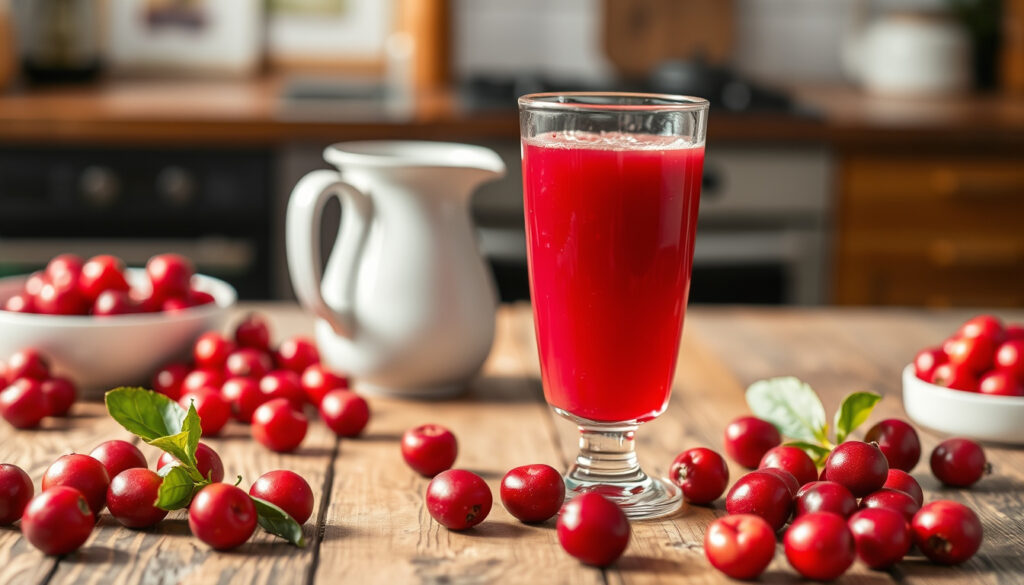
Is Cranberry Juice Good for You? Benefits & Risks
Cranberry juice sits at the center of a health debate that is more complicated than a simple ‘good for you’ verdict. While it has long been praised for urinary tract benefits, the evidence behind the claims reveals a pattern of confirmed uses and common misconceptions. The FDA has approved a qualified health claim that 500 mg of cranberry supplement daily may reduce recurrent UTI risk in healthy women, but the same juice can be loaded with sugar or interact with common medications. This guide separates the proven benefits from the misconceptions, so you can decide if cranberry juice deserves a spot in your daily routine.
Calories (per 8 oz unsweetened): 30 ·
Sugar (per 8 oz unsweetened): 8 g ·
Vitamin C (per 8 oz): 10% Daily Value ·
Daily intake for UTI prevention: 8–16 oz
Quick snapshot
- Cranberry juice can reduce UTI recurrence in women with moderate evidence (WebMD medical review)
- Contains antioxidants including vitamin C and polyphenols (Cleveland Clinic nutrition experts)
- Weight loss benefits are mixed in evidence (GoodRx health analysis)
- Heart health improvement shows limited human studies (WebMD diet review)
- Evidence on cranberry for UTI prevention has shifted: earlier studies showed weak effects, but newer reviews support benefit for recurrent UTIs (WebMD meta-analysis timeline)
- FDA qualified health claim opens door for clearer product labelling (U.S. Food and Drug Administration policy announcement)
Five key facts shape the cranberry juice story — one pattern: the active compound matters more than the drink itself.
| Fact | Value |
|---|---|
| Botanical source | Vaccinium macrocarpon |
| Key active compound | Proanthocyanidins (PACs) |
| Typical serving size | 8 oz (240 ml) |
| Calories per serving (unsweetened) | 30 |
| Vitamin C per serving | 10% Daily Value |
| Daily intake for UTI prevention | 8–16 oz unsweetened juice or 500 mg supplement |
Is it good to drink cranberry juice every day?
Daily intake guidelines
Most health authorities agree that moderate daily consumption is safe for healthy adults. WebMD recommends not exceeding one 8-ounce glass per day (WebMD dietary guidelines). For those aiming for UTI prevention, the Cranberry Institute suggests 8 to 16 ounces of cranberry juice cocktail daily (Cranberry Institute industry FAQ).
Potential benefits of daily consumption
Daily intake may reduce UTI recurrence. A 2021 meta-analysis found that cranberry products lowered UTI frequency in people prone to infections (WebMD meta-analysis review). The effect comes from proanthocyanidins (PACs) that help prevent E. coli from sticking to the bladder lining (Cleveland Clinic microbiology explanation).
Risks of excessive intake
Drinking too much sugary cranberry juice can backfire. Many commercial brands add high-fructose corn syrup or cane sugar, turning a health drink into a sugar bomb. Cleveland Clinic warns that the high sugar content is a practical drawback for daily drinking (Cleveland Clinic nutrition warning).
The daily drinker who chooses sweetened cranberry juice gets the PAC benefits but also a hefty sugar load — roughly 36 g per 8 oz for cocktail blends. Unsweetened or zero-sugar versions solve that problem but are harder to find and taste tart.
The implication: daily cranberry juice works best when you treat it as a targeted preventive measure, not a casual beverage. Stick to unsweetened, watch your portion, and check the label.
What is Cranberry Juice Good For? A Focus on Women’s Health
Urinary tract health
The most studied benefit of cranberry juice is urinary tract health. Proanthocyanidins (PACs) prevent bacteria from adhering to the bladder wall, which can reduce the risk of infection. The FDA now allows a qualified health claim stating that consuming 500 mg of cranberry dietary supplement each day may help reduce the risk of recurrent UTI in healthy women (U.S. Food and Drug Administration qualified health claim).
Hormonal balance and menstrual health
While direct evidence is limited, cranberry’s anti-inflammatory properties may offer some relief during menstruation. The antioxidants can reduce oxidative stress that sometimes accompanies hormonal shifts. However, no high-quality trial has confirmed this benefit for period-related symptoms (GoodRx women’s health review).
Pregnancy considerations
Pregnant women often turn to cranberry juice to prevent UTIs, which are more common during pregnancy. The American College of Obstetricians and Gynecologists notes that cranberry products are generally safe in typical food amounts, but supplements are not well studied in pregnancy. A healthcare provider should be consulted before using cranberry supplements for UTI prevention during pregnancy (Cleveland Clinic pregnancy nutrition guidance).
Women who rely on cranberry juice for UTI prevention may miss the window for antibiotic treatment if they already have a full-blown infection. Cranberry juice is not a cure for an active UTI — it’s a preventive, not a treatment (GoodRx clinical warning).
The pattern: cranberry juice’s role in women’s health is real but narrow. It prevents, it doesn’t treat. And for pregnant women, the juice is safer than the pill, but both require medical guidance.
What medications cannot be taken with cranberry?
Cranberry and blood thinners
Warfarin is the most commonly cited medication with a cranberry interaction. Cranberry may increase the risk of bleeding by potentiating the drug’s effect. According to the Merck Manual Consumer Version, cranberry may also increase the effect of atorvastatin and nifedipine (Merck Manual consumer guidance on drug interactions).
Cranberry and ACE inhibitors
Some sources warn that cranberry products may affect blood pressure or cholesterol medications, including nifedipine and atorvastatin. GoodRx notes that the interaction could lower blood pressure too much when combined with antihypertensives (GoodRx drug interaction analysis).
What to do if taking medication
If you are on warfarin, atorvastatin, nifedipine, or any blood pressure medication, consult your healthcare provider before adding cranberry juice to your daily routine. The interaction is not universal, but it’s significant enough to warrant caution. Drinking small amounts occasionally is generally considered low risk, but daily high doses may be problematic (Drugs.com medication interaction database).
The pattern: cranberry juice doesn’t interact with every drug, but the ones it does touch are serious. Warfarin, atorvastatin, and nifedipine are the top three to watch. If you take any of them, a glass of unsweetened juice once in a while is fine, but daily use demands a doctor’s okay.
How much cranberry juice should I drink every day?
For UTI prevention
For women prone to recurrent UTIs, the commonly recommended dose is 8 to 16 ounces of unsweetened cranberry juice per day, or a 500 mg cranberry supplement. The FDA’s qualified health claim specifically applies to supplements, not juice, but the clinical evidence supports both forms (WebMD UTI prevention dosing).
For general health
If you’re not targeting UTI prevention, a smaller amount — 4 to 8 ounces of unsweetened juice — is enough to get the antioxidant benefits without excess sugar or calories. WebMD advises not to drink more than one 8-ounce glass per day (WebMD daily intake limit).
The problem with added sugar
Many commercial cranberry juice cocktails are sweetened with sugar or high-fructose corn syrup. A single 8-ounce serving of Ocean Spray Cranberry Juice Cocktail contains about 36 grams of added sugar — nearly as much as a can of soda. Zero-sugar or diet versions use artificial sweeteners, which some people prefer to avoid. The smarter choice is 100% unsweetened cranberry juice, diluted with water or seltzer if the tartness is too strong.
What this means: the dose depends on the goal. For UTI prevention, 8–16 oz of unsweetened juice or 500 mg supplement. For general health, 4–8 oz of unsweetened is plenty. And always check the label — “cocktail” usually means sugar.
When should I not drink cranberry juice?
If you have kidney stones
Cranberry juice is high in oxalates, which can increase the risk of calcium oxalate kidney stones. People prone to stones should avoid cranberry products, or at least limit intake and drink plenty of water. WebMD notes this risk specifically for those with a history of kidney stones (WebMD kidney stone warning).
If you are on certain medications
As discussed, warfarin, atorvastatin, and nifedipine are the main concerns. If you are taking any of these, consult a doctor before daily cranberry consumption. The interaction may increase the drug’s effect, leading to excessive bleeding or dangerously low blood pressure (Drugs.com warfarin interaction warning).
If you have stomach ulcers or GERD
The acidity of cranberry juice can aggravate stomach ulcers, acid reflux, or GERD. Cleveland Clinic lists stomach upset and diarrhea as common side effects, largely because of the acidity (Cleveland Clinic side effects list). People with aspirin allergy should also be careful because cranberries contain salicylates (GoodRx salicylate note).
The trade-off: for most people, cranberry juice is safe in moderation. But if you have kidney stones, take blood thinners, or have a sensitive stomach, the risks can outweigh the benefits.
Is cranberry an anti-inflammatory?
Evidence from studies
Cranberry juice contains antioxidants that reduce oxidative stress, which is linked to inflammation. Some studies suggest that cranberry polyphenols can lower inflammatory markers such as C-reactive protein. However, the effect is modest compared to anti-inflammatory medications like NSAIDs (WebMD anti-inflammatory review).
How it reduces inflammation
The phytochemicals in cranberries — especially flavonoids and phenolic acids — interact with inflammatory pathways in the body. They can reduce the production of pro-inflammatory cytokines. This mechanism may help with conditions like arthritis or gum disease, but the evidence is still early-stage (Cleveland Clinic phytochemicals explanation).
Limitations
Cranberry is not a substitute for anti-inflammatory medication. The effects are gentle and best seen over time with consistent intake. Most studies use concentrated cranberry extracts, not juice, which means the juice’s anti-inflammatory punch is diluted. For a meaningful anti-inflammatory effect, you’d need to drink more than the recommended daily amount, which brings sugar and calorie concerns.
The catch: cranberry is a mild anti-inflammatory, not a powerful one. It can complement a healthy diet, but don’t expect it to replace ibuprofen or manage chronic inflammation alone.
Upsides
- May reduce UTI recurrence in women
- Contains antioxidants that support immune health
- Low in calories when unsweetened
- Mild anti-inflammatory benefits
- Can be part of a balanced diet
Downsides
- High sugar in sweetened varieties
- May interact with warfarin and other medications
- Can increase kidney stone risk in prone individuals
- Acidic nature may aggravate GERD or ulcers
- Not a treatment for active UTIs
Confirmed facts & What’s unclear
Confirmed facts
- Cranberry juice can reduce UTI recurrence in women (moderate evidence) (WebMD)
- Contains antioxidants (vitamin C, polyphenols) (Cleveland Clinic)
- FDA approved a qualified health claim for cranberry supplements and UTI risk (FDA)
What’s unclear
- Cranberry juice helps weight loss (mixed evidence) (GoodRx)
- May improve heart health (limited human studies) (WebMD)
- Effectiveness for period-related symptoms (no high-quality trials) (GoodRx)
“Cranberry products are more supported for UTI prevention than for treatment of an active UTI. The juice is not a cure for an existing infection.”
— WebMD medical review, WebMD UTI guide
“Cranberry may increase the effect of atorvastatin and nifedipine. Patients taking these medications should be cautious about consuming large amounts of cranberry juice.”
— Merck Manual Consumer Version, Merck Manual drug interaction notes
“For people prone to recurrent UTIs, updated studies suggest both cranberry pills and cranberry juice can help reduce risk. But the key is consistency and using an unsweetened product.”
— Cleveland Clinic nutrition specialists, Cleveland Clinic advice
For anyone adding cranberry juice to their routine, the choice is clear: choose unsweetened, limit intake to 8 ounces per day, and be aware of medication interactions. For the health-conscious consumer, the decision is a simple one — use it as a preventive tool, not a cure-all, and you’ll get the benefits without the downsides.
cranberryinstitute.org, pubmed.ncbi.nlm.nih.gov, londonjuicecompany.com
For a deeper look at the evidence, you can read more about cranberry juice health benefits in our detailed guide.
Frequently asked questions
Is cranberry juice good for the liver?
There is limited evidence that cranberry juice directly benefits the liver. Some animal studies suggest antioxidants may reduce liver fat, but human trials are lacking. The best way to support liver health is a balanced diet low in alcohol and processed foods.
Can cranberry juice lower cholesterol?
Some small studies have shown that cranberry juice can lower LDL cholesterol and raise HDL cholesterol, but the effect is modest. More research is needed before recommending it for cholesterol management. (WebMD cholesterol review)
Is cranberry juice a diuretic?
Cranberry juice has a mild diuretic effect due to its high water content and acidity, but it is not as strong as caffeine or prescription diuretics. It can increase urine output slightly, which may help flush bacteria from the bladder.
Does cranberry juice help with gout?
There is no strong evidence that cranberry juice helps with gout. In fact, because cranberries are high in oxalates, they may increase uric acid levels in some people. People with gout should consult a doctor before drinking cranberry juice regularly.
Is cranberry juice safe for children?
In small amounts, unsweetened cranberry juice is safe for children. However, sweetened cranberry juice cocktails can contribute to tooth decay and excess sugar intake. The American Academy of Pediatrics recommends limiting juice to 4–6 oz per day for children aged 1–6.
Can cranberry juice cause allergic reactions?
Yes, cranberry juice can cause allergic reactions in people sensitive to salicylates, which are natural compounds found in cranberries. Symptoms may include rash, itching, or swelling. People with aspirin allergy should be especially careful. (GoodRx salicylate warning)
For more on related health topics, check out our guide to Mountain Valley Spring Water: Authenticity & Health Guide and How to Lower Blood Pressure Fast: Proven Tips and Emergency Guide.
More related posts
 Do I Have Autism? Symptoms, Self-Assessment, and Diagnosis
 Dollar to Peso Exchange Rate: Official, Blue & Market Rates
 El Salvador vs Panama: H2H Stats, Results & Prediction
 Lake-Effect Snow: What It Is, Where It Happens, Is It Dangerous
 How to Get Oil Out of Clothes: 3 Proven Methods That Work
 Bath and Body Works Promo Code 2026: Active Deals & Tips
 Icon of the Seas Cruise 2025-2027: Cost, Itinerary & What to Know