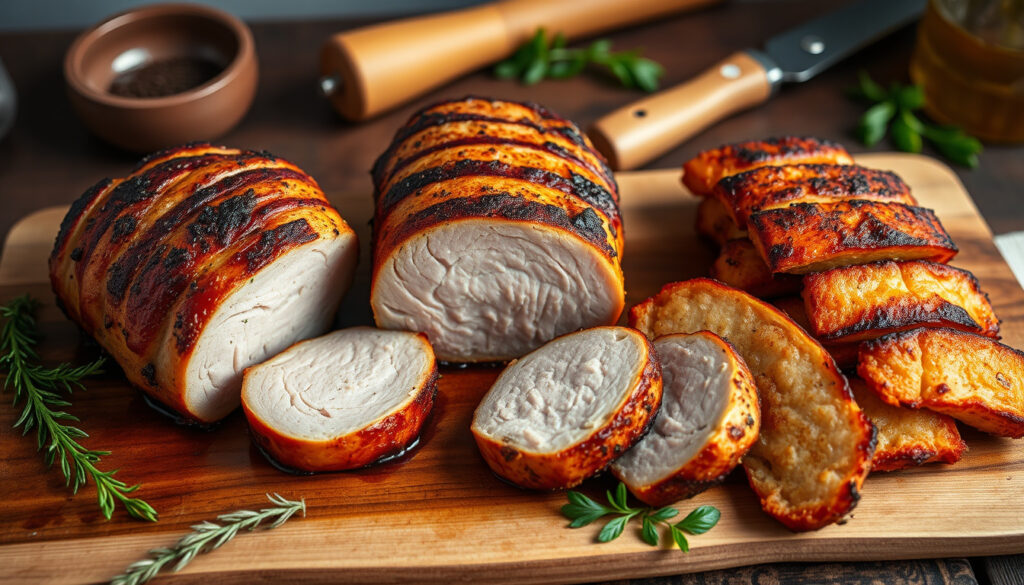
How to Cook Pork Tenderloin – Oven, Grill, Air Fryer Times
Pork tenderloin is one of the most versatile and approachable cuts of meat available at the butcher counter. As a lean, elongated muscle that runs along the spine, it delivers impressive tenderness when cooked properly and rewards home cooks with a mild, adaptable flavor profile that pairs well with countless seasonings. Understanding the fundamentals—temperature, timing, and technique—transforms this modest cut into a restaurant-quality meal.
Despite its reputation for quick cooking, pork tenderloin demands attention to detail. The margin between perfectly cooked and disappointingly dry can be surprisingly narrow, making it essential to approach this cut with a clear plan. Whether roasted in the oven, finished on the grill, or crisped in an air fryer, the principles remain consistent: proper preparation, accurate temperature monitoring, and adequate resting time.
This guide covers every major cooking method, provides detailed timing charts, and addresses the most common questions home cooks encounter when preparing pork tenderloin for the first time.
Best Ways to Cook Pork Tenderloin
Multiple cooking methods yield excellent results with pork tenderloin, and the best approach often depends on available equipment, time constraints, and personal preference. Each technique offers distinct advantages, from the caramelized crust achieved through pan searing to the convenience of hands-off oven roasting.
Oven roasting delivers consistent results with minimal attention required, making it ideal for weeknight dinners. Grilling adds smoky depth and attractive grill marks. Air fryers produce crispy exteriors in compact appliances, while pan searing followed by oven finishing creates restaurant-quality crusts.
| Method | Temperature | Time (1–1.5 lb) | Pro Tip |
|---|---|---|---|
| Oven Roast | 425–450°F | 20–30 minutes | Sear first for added depth |
| Grill | Medium-high indirect heat | 20–25 minutes | Use two-zone setup |
| Air Fryer | 400°F | 18–22 minutes | Flip halfway through |
| Pan Sear + Oven | 450°F (oven phase) | 5 + 15–20 minutes | Rest 5 minutes before slicing |
Oven roasting remains the most accessible method for beginners, requiring only a baking sheet, rack, and instant-read thermometer. The Roasted Pork Tenderloin technique produces reliable results across different oven configurations and allows flexibility in seasoning choices.
Oven Roasting Technique
Position the oven rack in the center and preheat to 425–450°F. After trimming any silver skin, coat the tenderloin with a thin layer of olive oil and apply your chosen seasoning blend. For optimal browning, sear the meat in a hot skillet for 2–3 minutes per side before transferring to a rack-lined baking sheet. Roast until the internal temperature reaches 145°F, then rest for 3–10 minutes before slicing against the grain.
Grilling Approach
Grilling introduces a subtle smokiness that complements the mild pork flavor. Using Grilled Pork Tenderloin techniques, aim for a two-zone fire: sear over direct high heat for 2–3 minutes per side, then move to indirect heat to finish cooking. Total time averages 20–30 minutes, with the goal of reaching 135–140°F before resting, allowing carryover cooking to reach the final 145°F target.
Air Fryer Method
Air fryers excel at creating crispy exteriors while maintaining interior moisture. Preheat the appliance for 5 minutes at 400°F, then arrange the seasoned tenderloin in a single layer. Cook for approximately 20 minutes for smaller cuts (under 1.25 pounds) or 22 minutes for larger pieces. Flipping halfway ensures even browning on all surfaces.
What Temperature and How Long to Cook Pork Tenderloin
Temperature management represents the single most critical factor in pork tenderloin preparation. The USDA established current guidelines that reflect updated food safety science, allowing for a slightly lower final temperature than previous recommendations while maintaining safe consumption standards.
USDA Safety Standards Explained
The United States Department of Agriculture recommends cooking whole cuts of pork tenderloin to an internal temperature of 145°F, measured at the thickest point with an instant-read thermometer. This reading should be followed by a mandatory 3-minute rest period, during which the meat continues cooking and juices redistribute throughout the muscle fibers.
At 145°F, pork tenderloin may appear slightly pink in the center—a characteristic that concerns many home cooks but represents completely normal and safe doneness. The previous standard of 160°F has been superseded by scientific evidence demonstrating that whole muscle cuts cooked to 145°F present no increased risk when given adequate rest time.
When pork tenderloin is removed from heat, the external layers remain hotter than the interior. This temperature differential causes the overall temperature to rise an additional 5–10°F during the resting period. Experienced cooks account for this phenomenon by removing meat from heat when the thermometer reads 135–140°F, knowing it will climb to 145°F while resting.
Cooking Time Estimates by Weight
General timing guidelines provide useful starting points, though actual cooking duration varies based on oven accuracy, initial meat temperature, and individual cut dimensions. A 1-pound tenderloin typically requires 20–25 minutes at high heat, while a 1.5-pound piece may need 25–30 minutes. Heavier cuts exceeding 2 pounds demand proportionally longer cooking times and benefit from lower oven temperatures to prevent exterior overcooking.
| Weight Range | Oven Time (425°F) | Air Fryer (400°F) | Grill Time |
|---|---|---|---|
| 0.75–1 lb | 18–22 min | 18–20 min | 15–20 min |
| 1–1.5 lb | 20–28 min | 20–22 min | 20–25 min |
| 1.5–2 lb | 25–35 min | 22–25 min | 25–30 min |
| 2+ lb | 30–40 min | Not recommended | 30–35 min |
The Importance of Resting Time
Resting serves two essential purposes in pork tenderloin preparation. First, it allows temperature equilibration so the entire cut reaches consistent doneness. Second, and equally important, resting permits muscle fibers to relax and reabsorb moisture that was pushed toward the center during cooking. Skipping this step results in significant juice loss when the meat is sliced.
A minimum rest period of 3 minutes satisfies USDA requirements, though 5–10 minutes produces superior texture and moisture retention. During extended rests, loosely tent the meat with aluminum foil to prevent surface cooling while avoiding tight wrapping that would create steam and soften the crust.
How to Keep Pork Tenderloin Moist and Flavorful
Pork tenderloin’s lean composition makes it susceptible to drying if overcooked or insufficiently prepared. Several techniques meaningfully improve moisture retention and flavor development, transforming potentially disappointing results into impressive dishes.
Trimming and Preparation Fundamentals
Before any seasoning application, remove the silver skin—a tough connective tissue layer that runs along one side of the tenderloin. This membrane resists softening during cooking and can create an unpleasant texture if left intact. Use a sharp boning knife angled slightly away from the meat to strip this tissue cleanly without removing excessive flesh.
Trim excess surface fat after removing silver skin. While some fat contributes to flavor, the lean nature of tenderloin means fat content remains minimal regardless. Removing visible fat deposits before seasoning ensures more uniform browning and prevents flare-ups during high-heat cooking methods.
Seasoning Approaches
Salt serves as the foundation of any effective pork tenderloin seasoning. A simple dry rub containing 1–2 teaspoons of salt per pound draws moisture from the meat surface while dissolving slightly, creating a surface brine that enhances flavor penetration. Apply salt-based rubs at least 30 minutes before cooking, or up to 24 hours ahead for maximum effect, refrigerated and uncovered to allow surface drying.
Applying salt rub immediately before cooking differs from brining in effect. While both techniques season the meat, brining requires time for moisture to be drawn back into muscle fibers. Rushing this process results in salt adhering to the surface without interior benefit.
Classic seasoning combinations include garlic powder, smoked paprika, onion powder, black pepper, and dried herbs such as rosemary, thyme, or oregano. Mix these spices with enough olive oil (approximately ½–1 tablespoon) to create a paste that adheres to the meat surface and promotes browning during cooking.
To Sear or Not to Sear
Searing before roasting or grilling develops flavor through the Maillard reaction, creating complex compounds that enhance taste perception. A brief high-heat exposure (2–3 minutes per side) produces an appealing golden-brown crust that contrasts with the tender interior.
However, searing adds active cooking time and requires additional equipment. For weeknight meals where convenience takes priority, skip the sear and rely on extended oven time at moderate temperatures. The difference in flavor complexity remains noticeable but not dramatic—many home cooks successfully prepare excellent tenderloin without searing.
Covering During Cooking
Loose tenting with aluminum foil during cooking serves practical purposes after the first 15–20 minutes. Once the initial browning phase completes, covering prevents excessive surface dehydration and reduces the likelihood of burnt exterior while the interior reaches target temperature. Avoid sealing foil tightly around the pan, as trapped steam creates a steamed rather than roasted texture.
Pork Tenderloin Cooking Tips and Common Mistakes
Understanding typical preparation errors helps home cooks avoid the most common pitfalls. Pork tenderloin rewards attention to detail but punishes neglect through dry, tough results that fail to showcase its inherent quality.
Critical Mistakes to Avoid
- Neglecting the thermometer: Visual cues and timing estimates cannot replace direct temperature measurement. An instant-read thermometer remains the only reliable method for determining doneness in pork tenderloin.
- Cooking directly from frozen: Uneven heat penetration through frozen meat produces unpredictable results, with exterior areas overcooking before interior thaw completes. Always thaw tenderloin overnight in the refrigerator for consistent outcomes.
- Skipping the rest period: Slicing immediately after cooking allows accumulated juices to escape before fiber absorption completes. This single mistake accounts for more moisture loss than any other factor.
- Using incorrect cuts: Pork tenderloin and pork loin represent distinctly different muscles with different cooking requirements. Loin roasts are thicker and require longer cooking at lower temperatures.
- Overcooking beyond 145°F: The margin between perfect doneness and dry texture narrows considerably above 150°F. Remove meat from heat at 135–140°F and trust carryover cooking to complete the process.
Slicing Technique
Cut against the grain to shorten muscle fibers, creating a more tender bite experience. Identify the grain direction before slicing by observing the muscle fiber orientation—typically running the length of the tenderloin. Slice at a 45-degree angle for enhanced surface area presentation, and cut pieces approximately ½-inch thick for optimal texture.
Pork tenderloin (weighing 1–2 pounds) differs significantly from pork loin roasts (weighing 3–10 pounds). Loin cuts require substantially longer cooking times at lower temperatures and may need 40+ minutes in an air fryer set to 370°F. Confusing these cuts leads to either severely undercooked center or dried exterior.
Reverse Searing Technique
An advanced technique gaining popularity involves cooking tenderloin at low temperature first (approximately 250°F) until within 10°F of target temperature, followed by a high-heat sear to develop crust. This approach minimizes temperature gradient between exterior and interior, reducing carryover cooking and producing exceptionally uniform results with pronounced surface browning.
Pork Tenderloin Cooking Timeline
A structured timeline helps home cooks plan meal preparation and allocate time appropriately across preparation, cooking, and resting phases. Total elapsed time from start to finished sliced meat typically spans 45–60 minutes for most methods.
- Preparation (10–15 minutes): Remove tenderloin from refrigerator, pat completely dry with paper towels, trim silver skin and excess fat, apply seasoning rub.
- Temperature equalization (15–30 minutes): Allow seasoned meat to rest at room temperature, enabling more even cooking and reducing total oven time required.
- Searing phase (5–10 minutes, optional): Heat skillet with oil to smoke point, sear tenderloin 2–3 minutes per side until golden brown on all surfaces.
- Primary cooking (20–30 minutes): Transfer to oven, grill, or air fryer; monitor internal temperature with instant-read thermometer.
- Resting period (5–10 minutes): Remove from heat, tent loosely with foil, allow juices to redistribute throughout meat structure.
- Final slicing and service (2–3 minutes): Cut against grain into appropriate portions, arrange on warmed plates, serve immediately.
Pork Tenderloin: What We Know and What Remains Uncertain
Scientific understanding of pork cooking continues evolving, with certain facts firmly established while other areas invite continued research and personal experimentation.
| Established Fact | Uncertain or Variable |
|---|---|
| 145°F internal temperature with 3-minute rest is safe for whole cuts per USDA | Optimal brining duration varies by salt concentration and desired flavor intensity |
| Resting significantly improves moisture retention and tenderness | Exact resting time benefit varies by individual cut thickness |
| Tenderloin and pork loin are anatomically distinct cuts with different cooking requirements | Direct frozen cooking methods remain underexplored in authoritative sources |
| Pan searing produces superior flavor through Maillard reaction | Reverse sear temperature endpoints vary by chef preference |
| Slightly pink appearance at 145°F is normal and safe | Sous vide precise times and temperatures lack comprehensive source documentation |
The Science Behind Pork Tenderloin’s Culinary Appeal
Pork tenderloin occupies a unique position among primal cuts, representing the smallest muscle in the hog’s body. This muscle, called the psoas major, runs along both sides of the spine and does minimal work during the animal’s life, resulting in exceptionally tender meat with fine grain structure and minimal connective tissue.
From a nutritional perspective, pork tenderloin offers impressive macronutrient ratios for health-conscious consumers. A 3–4 ounce serving delivers approximately 140–180 calories alongside roughly 25 grams of protein with minimal carbohydrate content. The fat contribution remains modest at 3–5 grams per serving, with low saturated fat percentages that support cardiovascular health when consumed as part of balanced diets.
Micronutrient content includes B vitamins supporting metabolic function, zinc for immune system maintenance, and iron in heme form that absorbs efficiently in the body. These nutritional characteristics position pork tenderloin as a protein choice that satisfies both palates and dietary requirements without excess caloric or fat burden.
Expert Recommendations and Authoritative Guidance
“Cook to 145°F with a 3-minute rest. That’s as safe as the old standard of 160°F, and it keeps the meat juicy and flavorful.”
— United States Department of Agriculture Food Safety Guidelines
Culinary professionals consistently emphasize that pork tenderloin’s forgiving nature when properly prepared belies its reputation for difficulty. The combination of accurate temperature monitoring and adequate resting time addresses the majority of home cook concerns regarding safety and texture.
Seasoning approaches vary widely across culinary traditions, from simple salt-and-pepper applications to complex spice rubs incorporating multiple flavor profiles. The mild taste of properly cooked tenderloin accommodates both conservative and adventurous seasoning choices without requiring adaptation.
Summary
Pork tenderloin succeeds when home cooks prioritize three fundamentals: accurate internal temperature monitoring to 145°F, adequate resting time of at least 5 minutes post-cooking, and proper seasoning application before heat exposure. Multiple cooking methods deliver satisfying results—oven roasting for convenience, grilling for smoky depth, air frying for crispy exterior—while preparation techniques like trimming silver skin and applying salt-based rubs ensure the meat retains moisture throughout the process.
For additional recipe inspiration, explore Roasted Pork Tenderloin preparations that demonstrate these principles in practice.
Frequently Asked Questions
Is pork tenderloin the same as pork loin?
No. Pork tenderloin is a small, lean muscle along the spine (1–2 pounds), while pork loin is a larger primal cut (3–10 pounds) requiring longer cooking times at different temperatures.
Can you cook pork tenderloin from frozen?
Thawing first is recommended for even cooking results. Direct frozen cooking risks uneven temperatures with exterior areas overcooking before interior thaw completes.
What internal temperature is safe for pork tenderloin?
The USDA recommends 145°F internal temperature measured at the thickest point, followed by a 3-minute rest. The meat may appear slightly pink at this temperature, which is normal and safe.
How long should pork tenderloin rest after cooking?
A minimum of 3 minutes satisfies USDA requirements, though 5–10 minutes produces superior texture and moisture retention by allowing juices to redistribute throughout the meat.
Should you sear pork tenderloin before roasting?
Searing develops additional flavor through the Maillard reaction but is optional. Skipping the sear produces acceptable results with slightly less caramelized crust but saves active cooking time.
Why is my pork tenderloin dry?
Dry texture typically results from overcooking beyond 145°F, insufficient resting time after cooking, or failure to trim silver skin properly before seasoning. An instant-read thermometer prevents temperature overshoot.
What seasonings work best with pork tenderloin?
Classic combinations include salt, pepper, garlic powder, paprika, onion powder, and dried herbs like rosemary or thyme. Salt is essential for moisture retention; other spices provide flavor variation.
How do you slice pork tenderloin correctly?
Cut against the grain at a 45-degree angle, slicing pieces approximately ½-inch thick. Identifying grain direction before slicing shortens muscle fibers for improved tenderness.
More related posts
 1 Month Old Baby Constipation Remedies: Safe Ways to Help
 Swollen Lymph Nodes Neck: Red Flags and When to Worry
 Early Stage Skin Cancer: Visual Signs & Self-Check Guide
 Squidward Looking Out Window Meme: GIFs, Origin & Generator
 Non-Emergency Medical Transportation Services – Eligibility and Coverage Guide
 Alexander Ludwig Movies and TV Shows: Full Filmography
 Best Buy Credit Card Payment: Online, Phone & Mail Guide
 Joe Biden Student Loans: Forgiveness and SAVE Plan Guide