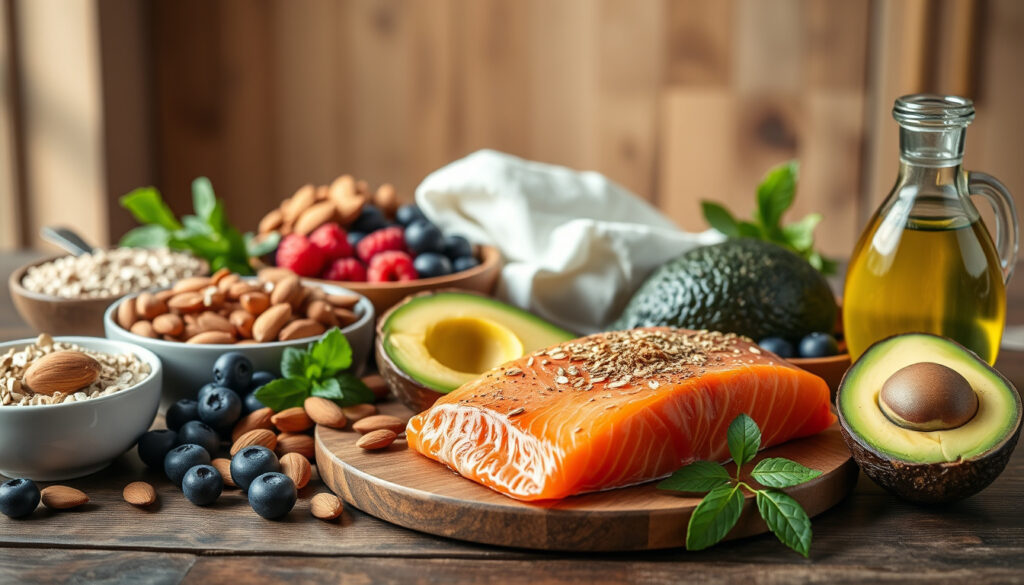
Foods That Lower Cholesterol: Top NHS-Backed List
If you’ve ever stared at a cholesterol test result wondering what to do next, you’re not alone — millions of people face that same moment. The good news is that what’s on your plate can make a measurable difference. UK health authorities like the NHS and Heart UK have spent years distilling the evidence into practical advice, and some of their recommendations might surprise you.
Cholesterol-busting foods: 6 key types from Heart UK ·
High-fiber options: Oats, barley, fruit, veg ·
Healthy fats sources: Nuts, oily fish, olive oil ·
Soya foods benefit: Lower LDL per NHS ·
Worst foods to avoid: High in saturated fats
Quick snapshot
- Oats lower LDL via beta-glucan (Heart UK)
- Nuts reduce cholesterol per studies (Heart UK)
- Plant sterols cut LDL by 10–15% at 2g/day (UHSussex NHS)
- Exact timelines for quick reduction — results vary by individual
- Optimal serving sizes for maximum benefit remain debated
- Diet changes typically show results within 4–12 weeks per NHS guidance
- Consistency matters more than dramatic single-day swaps
- Small daily swaps accumulate — one oat bowl today builds on yesterday’s fish dinner
- UK supermarkets now stock more sterol-fortified products than ever
Four food groups, one pattern: each attacks cholesterol through a different biological pathway.
| Food group | How it works | Recommended intake |
|---|---|---|
| Oats and barley | Beta-glucan forms a gut gel that binds cholesterol | 2–3 portions daily; 40g oats ≈ 1.4g beta-glucan |
| Oily fish | Omega-3 fats (EPA, DHA) lower triglycerides, raise HDL | 2 portions weekly; at least one oily (140g portions) |
| Nuts and seeds | Unsaturated fats replace saturated fat; fiber blocks absorption | Small handful daily instead of snacks |
| Plant sterols/stanols | Block cholesterol absorption in intestine by up to 50% | 2g daily (fortified spreads, yogurts) |
What foods help lower cholesterol quickly?
Speed matters when patients are sitting with elevated results, but “quickly” here means weeks, not days. Heart UK identifies six cholesterol-busting food groups with solid evidence behind them. The mechanism matters as much as the list: each category works differently in your body.
Oats and barley
Oats and barley contain beta-glucan, a soluble fibre that forms a gel in your gut and physically binds cholesterol before it enters your bloodstream. Consuming 3g of beta-glucan daily can lower LDL cholesterol meaningfully. A bowl of porridge made with 40g of oats delivers around 1.4g of beta-glucan, so two to three oat or barley portions daily gets most adults to the target range. The British Heart Foundation recommends baked beans and kidney beans in the same category — they’re high in soluble fibre and can replace higher-fat protein sources.
One breakfast bowl of porridge isn’t a charm — it’s a habit. Swap your toast for oats three mornings a week and you’re already in the right zone.
Nuts and seeds
Heart UK advises eating nuts of all varieties in place of snacks or as part of meals, preferably with their skins intact for maximum nutrients. Walnuts, almonds, and hazelnuts all contain unsaturated fats that help maintain healthy blood cholesterol levels. The British Heart Foundation notes that nuts can replace higher-saturated-fat protein sources in your diet. A small handful (around 30g) daily is the standard recommendation — roughly a cupped palm full.
Oily fish
The NHS recommends eating at least two portions of fish per week, with at least one being oily fish such as salmon, mackerel, sardines, or trout. These fish provide omega-3 fats (EPA and DHA) that reduce triglycerides, increase HDL (“good” cholesterol), lower blood pressure, and reduce inflammation. A portion is defined as 140g by Heart UK, though smaller portions totalling the same amount throughout the week count just as well.
Oily fish is the only common UK food source of meaningful EPA and DHA omega-3s. Vegetarians and vegans should discuss algae-based supplements with their GP.
What foods are the worst for high cholesterol?
Knowing what to avoid matters just as much as knowing what to eat. The NHS guidance is blunt about which foods drive up cholesterol and why each category deserves its warning.
Saturated fat heavy foods
Saturated fats raise LDL cholesterol more than almost any other dietary component. The NHS advises cutting down on meat pies, sausages, and fatty cuts of meat; butter, lard, and ghee; cream and hard cheese; cakes and biscuits; and coconut or palm oil. Mass General Brigham research confirms that high saturated fat diets consistently raise LDL levels across diverse populations. The mechanism is straightforward: saturated fat prompts your liver to produce more LDL particles.
Trans fats sources
Trans fats — found in some processed foods, hardened vegetable oils, and partially hydrogenated fats — are even more damaging than saturated fats for cholesterol profiles. They raise LDL while simultaneously lowering HDL. UK law has already banned industrially produced trans fats in most contexts, but processed baked goods and some fried foods from certain producers can still contain them.
Processed meats
Bacon, sausages, ham, salami, and other processed meats combine high saturated fat content with added salt and preservatives. Research consistently links regular processed meat consumption to elevated LDL and increased cardiovascular risk. The BHF notes that beans, peas, and lentils can replace red and processed meat to lower saturated fat intake while maintaining protein levels.
Cutting saturated fats means more than removing cheese from your burger — it means finding a replacement that doesn’t just add calories from refined carbs. Swapping butter for olive oil spread cuts saturated fat significantly.
What is the best breakfast for high cholesterol?
Breakfast sets the tone for your day and your cholesterol levels. What you eat in that first meal determines whether you’re building fibre reserves or loading up on saturated fat before 9am.
Oat-based meals
Porridge remains the gold standard for cholesterol-lowering breakfasts. Made with 40g of oats, it delivers roughly 1.4g of beta-glucan — close to half the daily target in a single bowl. Adding a handful of berries (strawberries and blueberries provide soluble fibre from pectin) amplifies the effect. Water or semi-skimmed milk works better than full-fat dairy for saturated fat control.
Fruit and nut combos
Apples and pears are particularly valuable at breakfast — their pectin content slows cholesterol absorption. Heart UK specifically cites apples and strawberries among fruit sources high in soluble fibre. Adding 10–15g of chopped walnuts or almonds brings healthy unsaturated fats without significant saturated fat. This combination works well as overnight oats, a muesli bowl, or yogurt parfaits.
Wholegrain options
If porridge isn’t appealing, wholegrain toast made from brown rice, wholewheat pasta, or wholemeal bread provides another fibre route. The NHS specifically recommends brown rice, wholegrain bread, and wholewheat pasta alongside the better-known oat recommendation. Spreading olive oil-based margarine (rather than butter) keeps saturated fat low.
Full English breakfasts — sausages, bacon, black pudding — deliver 20–30g saturated fat before you add toast with butter. One swap: replace one sausage with a portion of grilled tomatoes or mushrooms.
Which drink can reduce cholesterol?
What you drink matters as much as what you eat. Some beverages actively lower cholesterol; others quietly sabotage your efforts.
Green tea
Green tea contains catechins, compounds that studies suggest can modestly reduce LDL cholesterol absorption. The evidence isn’t as robust as for oats or sterols, but green tea remains a calorie-free swap for sugary drinks and is entirely compatible with cholesterol-lowering dietary patterns.
Plant sterol drinks
Sterol-fortified yogurts, milk drinks, and spreads are among the most evidence-backed cholesterol-lowering beverages available. Plant sterols at 2g per day can reduce LDL cholesterol by 10–15% when consumed regularly as part of a healthy diet, according to UHSussex NHS guidance. Brands including Benecol and Flora ProActiv sell sterol-fortified drinks specifically marketed at cholesterol management.
Oat milk and soy beverages
Oat milk contains beta-glucan from the oats it’s made from, though in lower concentrations than whole oats. Unsweetened oat milk in place of full-fat dairy cuts saturated fat while adding fibre. Soy-based drinks bring plant protein without saturated fat — Heart UK notes that soya foods generally help lower cholesterol through their low saturated fat profile and high protein content.
Fruit juices look healthy but strip fibre and concentrate sugar — a glass of orange juice can add 20g of sugar without the pectin you’d get from eating the whole fruit. Whole fruit beats juice every time for cholesterol management.
What is the number one fruit that kills bad cholesterol?
No single fruit earns that crown — cholesterol management needs variety — but some fruits punch harder than others.
Apples and pears
Heart UK specifically names apples and strawberries among fruits high in soluble fibre that support healthy cholesterol levels. Apples contain pectin, a soluble fibre that binds cholesterol in the gut and prevents its absorption. Eating one apple daily as part of a high-fibre diet contributes meaningfully to daily fibre targets. Pears follow the same pattern with their own pectin content.
Berries
Strawberries, blueberries, and blackberries all provide soluble fibre from pectin. Berries also bring antioxidants that may protect LDL particles from oxidation — a process that makes cholesterol more dangerous to blood vessel walls. The HSE recommends eating lots of fruit and vegetables daily, and berries fit naturally into that goal.
Citrus fruits
Oranges, grapefruits, and lemons contain pectin and flavanones that studies associate with improved cholesterol profiles. Grapefruit in particular has shown LDL-lowering effects in clinical trials, though it interacts with certain medications — check with your GP if you’re on cholesterol medication.
Confirmed vs Unconfirmed
What the evidence supports
- Oats lower LDL via beta-glucan — Heart UK, BHF
- Nuts reduce cholesterol — Heart UK, multiple studies
- Plant sterols at 2g/day cut LDL 10–15% — UHSussex NHS
- Oily fish twice weekly raises HDL — NHS
- Saturated fats raise LDL — NHS, Mass General Brigham
Where evidence is thinner
- Precise timelines for visible LDL reduction (typically 4–12 weeks but individual variation is significant)
- Optimal combination of multiple food groups simultaneously
- Exact fibre thresholds beyond the 3g beta-glucan target
What experts say
Heart UK identifies six cholesterol-busting foods including unsaturated fats, fruit and veg, oats and barley, nuts, soya foods, and sterol-rich items — these six food groups together cover every major evidence-based mechanism.
The NHS advises eating more oily fish, olive oil, rapeseed oil, nuts, seeds, fruits, vegetables, brown rice, wholegrain bread, and wholewheat pasta — these aren’t suggestions but evidence-backed targets.
For UK residents with elevated cholesterol, the path forward is straightforward: pile fibre onto your plate (oats, beans, berries), swap saturated fats for unsaturated ones (olive oil, nuts, oily fish), and consider sterol-fortified products if your GP agrees it’s appropriate. One small bowl of porridge this morning is a better start than any supplement.
Related reading: 20 Benefits of Turmeric · Good Culture Cottage Cheese
Frequently asked questions
How to reduce cholesterol in 7 days?
Realistically, meaningful LDL reduction takes at least 4–12 weeks through dietary change. Within 7 days, you can eliminate the worst saturated fat sources (sausages, full-fat cheese, butter on everything) and add one oat-based meal and one oily fish portion. That sets the foundation — but patience is required for visible blood test results.
How to reduce cholesterol in 30 days?
Thirty days is enough time for dietary changes to begin showing in blood tests if you make consistent swaps: daily porridge, two oily fish meals per week, nuts as snacks, and sterol-fortified spreads or yogurts. Results vary based on starting LDL levels, genetic factors, and overall diet quality.
What flushes cholesterol out of your body?
Soluble fibre from oats, beans, and fruit binds cholesterol in the gut and removes it through digestion. Plant sterols block cholesterol absorption in the intestine. Unsaturated fats help your liver clear LDL from the blood. No single food flushes cholesterol — it’s a team effort across multiple mechanisms.
What reduces cholesterol quickly naturally?
Beta-glucan from oats and barley works fastest among food-based approaches. Plant sterols at 2g daily offer the most rapid documented LDL reduction (10–15% in weeks). Combining both with increased soluble fibre from beans and fruit covers all the evidence-based mechanisms simultaneously.
What are the six super foods that lower cholesterol?
Heart UK’s six cholesterol-busting foods are: unsaturated fats (olive oil, rapeseed oil, nuts), fruit and vegetables, oats and barley (beta-glucan sources), nuts, soya foods (low saturated fat, high protein), and sterol-rich items. No single food does it all — variety across these groups is the point.
Free diet to lower cholesterol?
The NHS-recommended diet costs no more than a standard UK grocery shop — oats, tinned fish, beans, and seasonal vegetables are among the cheapest staples available. Sterol-fortified products add expense but aren’t essential. The core cholesterol-lowering diet is simply whole foods, more plants, less saturated fat — and it costs less than the processed alternatives it replaces.
More related posts
 Good Feet Store Near Me: Locations, Prices & Podiatrist Reviews
 Who Sang ‘I Want to Know What Love Is’? Song Origins & Meaning
 What Is a Consumer? Definition, Types, and Rights Explained
 The Strange Thing About the Johnsons – Ari Aster’s Debut Horror Short
 152 cm in Feet: Conversion, Context & Averages
 Where Is the Liver? Location, Pain Signs & Damage
 How to Lower Blood Pressure Fast: Proven Tips and Emergency Guide
 Atlético Madrid vs Inter 2024: Score, Highlights & Head-to-Head