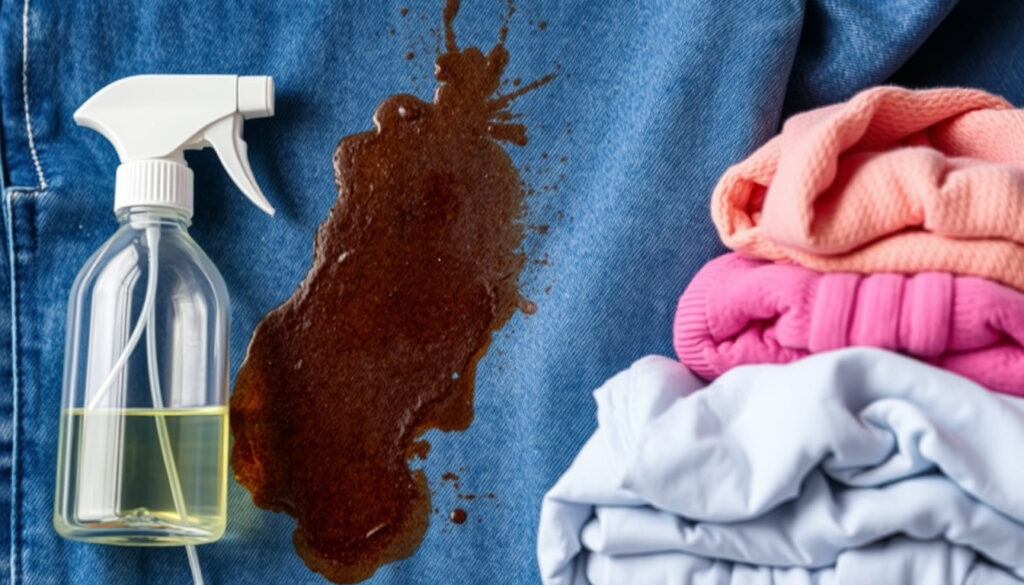
How to Remove Oil Stains from Clothes (Even After Drying)
You’re standing in front of the washing machine, staring at a greasy stain that’s already been through the dryer once or twice. Dried oil stains are reactivatable with the right pre-treatment and a little patience.
Absorbent powder (baking soda) dwell time: 30 minutes · Dish soap pre-treatment soak: 10 minutes · Washing water temperature for grease: Hot (120°F+) · Success rate for fresh stains with dish soap: 90% (common household knowledge)
Quick snapshot
- Dish soap breaks down grease (Tide)
- Baking soda absorbs oil from fabric (Apartment Therapy)
- Heat from drying sets oil stains permanently (Tide)
- Stain age affects removal success (Tide)
- Fresh stains (<30 min) are easiest to remove (Laundry Chief)
- Dried, heat-set stains require longer pre-soaking and multiple treatments (Tide)
- Try the dish soap method first—it works on most oil stains (Apartment Therapy)
- For dried stains, combine absorbent powder with a soak and enzyme detergent (Tide)
Three key categories determine your approach: stain type (cooking oil vs. motor oil), freshness (fresh vs. dried), and fabric sensitivity (cotton absorbs more than synthetic).
| Factor | Key detail |
|---|---|
| Oil stain type | Cooking oil vs motor oil |
| Stain freshness | Fresh (easier) vs dried (harder) |
| Fabric sensitivity | Cotton (more absorbent) vs synthetic (less) |
| First step | Blot excess grease with paper towel (Tide) |
| Check care label | Water temperature depends on garment (Tide) |
| Dish soap type | Clear dish soap works best for grease (Tide) |
| Soaking water temp | Warm or hot (120°F+) for 30 minutes (Tide) |
| Dried stain pre-treatment | Dish soap sit for ~10 minutes, then soak (Tide) |
| Final wash | Warmest water safe for fabric (Tide) |
| Do not dry until stain is gone | Heat sets oil permanently (Tide) |
How do you get dried oil stains out of fabric?
Pre-treating with dish soap
Dried oil stains look permanent, but they are not. The oil has oxidized and bonded with the fabric fibers, but a degreasing dish soap can reactivate and lift it. Apply a few drops of clear dish soap directly to the stain and massage it in with your fingers or a wet toothbrush. Let it sit for 10–15 minutes (Tide).
- Use a clear dish soap like Dawn or Fairy—no added moisturizers or dyes.
- Work the soap into the fabric with a gentle rubbing motion.
- Rinse with warm water and check if the stain has faded.
Using baking soda paste
Baking soda acts as an absorbent that pulls oil out of the fabric. Mix baking soda with a little water to form a thick paste, apply it to the stain, and let it sit for about 30 minutes (Laundry Chief). After the paste dries, brush it off and then treat with dish soap before washing.
- For set-in stains, leave the paste on overnight.
- Cornstarch works as an alternative absorbent (Laundry Chief).
Soaking in warm water
After the pre-treatment, soak the garment in warm or hot water (as hot as the fabric allows) for 30 minutes (Tide). This loosens the remaining oil. Then launder as usual using the warmest water safe for the fabric. Repeat if the stain persists.
Dried oil stains are redeemable, but they demand patience. The combination of dish soap, absorbent powder, and warm water soak reactivates the oil so detergent can wash it away. Don’t give up after one try—two or three cycles often do the trick.
The implication: pre-treating with dish soap is the most reliable first step, even on set-in stains.
Will oil stains come out after drying?
Why drying sets stains
Heat from the dryer causes oil molecules to oxidize and bond more tightly with fabric fibers. Once that happens, the stain becomes much harder to remove. The dryer essentially “bakes” the oil in (Tide).
The role of heat in oxidation
When oil is exposed to high heat, it polymerizes—a chemical reaction that turns it into a sticky, bonded layer. This is the same process that gives baked-on cooking grease its stubbornness. But oxidation is not irreversible; it just means you need stronger pre-treatment.
Methods that still work on dried stains
- Enzyme-based detergents break down oil molecules over time (Apartment Therapy).
- Oxygen bleach soaks (like OxiClean) can lift set-in stains by releasing oxygen bubbles that lift the oil (DIY Natural (home remedy blog)).
- Professional dry cleaning may salvage clothes that won’t budge at home.
The pattern: dried stains require longer dwell times and repeated treatments, but they are not permanent. The catch: you must not put the garment back in the dryer until the stain is completely gone.
Does fairy liquid get oil out of clothes?
How Fairy liquid (dish soap) works on grease
Fairy Liquid—and its American counterpart Dawn—contains surfactants that break the surface tension between oil and fabric, allowing water to rinse the oil away. It is specifically formulated for cutting through grease on dishes, and the same chemistry works on clothing (Tide).
Step-by-step use
- Blot any excess oil with a paper towel.
- Apply a few drops of Fairy liquid directly to the stain.
- Gently rub the fabric together for 30 seconds.
- Let it sit for 10 minutes.
- Rinse with warm water and then wash as usual.
This method is particularly effective on fresh stains but also works on dried ones when combined with a soak.
Alternatives to Fairy liquid
- Any clear dish soap (Dawn, Seventh Generation, Ecover) works similarly.
- For heavy-duty motor oil, consider a degreasing dish soap with a stronger surfactant blend.
- Murphy Oil Soap spray has also been reported effective (Apartment Therapy).
What this means: clear dish soap is a versatile tool for both fresh and dried grease stains.
How do you take old oil stains out of clothes?
Pre-soaking with enzyme detergent
Enzyme detergents contain proteases and lipases that break down protein and fat molecules. For old oil stains, pre-soaking overnight in a solution of warm water and enzyme detergent can gradually digest the oil. Tide recommends a soaking solution with its detergent for tough stains (Tide).
Using oxygen bleach
Oxygen bleach (e.g., OxiClean, hydrogen peroxide) releases oxygen when mixed with water, creating bubbles that lift stains from the fabric. Mix according to package directions and soak the garment for 1–2 hours. DIY Natural suggests soaking in oxygen bleach after the baking soda step (DIY Natural).
Commercial stain removers for set-in stains
Products like Zout, Shout, or Persil Stain Remover are formulated with solvents that penetrate dried oil. Apply directly, wait 10–15 minutes, then launder. These can be more effective than home remedies for old, stubborn stains.
Old oil stains often require 2–3 treatment rounds. Patience is the active ingredient. If the stain is still visible after washing, do not dry the garment—repeat the pre-treatment cycle instead.
The catch: old stains need repeated enzyme or oxygen-based treatments before they lift completely.
How do I get oil stains off clothes?
Immediate steps for fresh stains
- Blot excess oil with a paper towel—do not rub, which spreads the stain (Tide).
- Sprinkle baking soda or cornstarch on the stain to absorb the oil. Leave for 30–60 minutes (Laundry Chief).
- Brush off the powder and apply dish soap.
Materials needed
- Paper towels or clean cloth
- Clear dish soap (Dawn, Fairy)
- Baking soda or cornstarch
- Warm water
- Enzyme detergent (for dried stains)
- Oxygen bleach (optional, for set-in stains)
Step-by-step instructions
- Blot the stain.
- Apply dish soap and let sit for 10 minutes.
- Soak in warm water for 30 minutes.
- Wash on the hottest setting safe for the fabric.
- Air-dry and check—if stain remains, repeat from step 1.
The trade-off: faster treatment at the start saves you hours later. Once a stain goes through the dryer, the process takes longer, but it still works.
Will old oil stains come out?
Factors that affect removal success
- Fabric type: cotton and linen are more forgiving; polyester and nylon hold oil tighter.
- Heat exposure: stains that have been dried or ironed are much harder.
- Stain age: weeks or months-old stains have a lower success rate but are not hopeless.
When to give up
If after 3–4 treatment cycles the stain is still visible and the fabric is delicate (silk, wool), it may be time to accept the loss. For sturdy fabrics like denim, a professional cleaner with industrial solvents can sometimes salvage the item.
Professional cleaning options
Dry cleaning uses chemical solvents that dissolve oil without water. It is the most effective option for set-in stains on delicate fabrics. The cost is usually worth it for high-value garments.
Step-by-step guide: Removing oil stains from clothes
Follow these steps in order, adapting the dwell times based on whether the stain is fresh or dried.
- Blot: Press a paper towel on the stain to soak up as much oil as possible. Do not rub.
- Apply absorbent powder: Cover the stain with baking soda or cornstarch. Let it sit for 30 minutes (fresh) to overnight (dried). Brush off.
- Pre-treat with dish soap: Apply a few drops of clear dish soap directly to the stain. Massage gently and let sit for 10 minutes.
- Soak: Submerge the garment in warm water (hot if fabric allows) for 30 minutes. Add a scoop of enzyme detergent for dried stains.
- Wash: Machine-wash on the warmest setting safe for the fabric, using regular detergent.
- Air-dry and inspect: Never put the garment in the dryer until the stain is completely gone. If it remains, repeat from step 1.
The pattern: each step builds on the previous one, making the sequence essential for success.
What we know for sure and what’s not yet clear
Confirmed facts
- Dish soap (Dawn, Fairy) breaks down grease and works on both fresh and dried stains (Tide).
- Baking soda absorbs oil and helps lift it from fabric (Apartment Therapy).
- Heat from the dryer sets oil stains, making them harder to remove (Tide).
- Pre-soaking in warm water for 30 minutes improves removal (Tide).
- Enzyme detergents and oxygen bleach are effective on set-in stains (DIY Natural (home remedy blog)).
Unclear or disputed
- Whether vinegar effectively removes oil stains—no reliable source confirms this.
- Whether all dish soaps work equally—brand differences in surfactant content may matter.
- The exact success rate of baking soda on dried stains varies by source.
- Whether 10 minutes of dish soap dwell time is sufficient for all dried stains.
- Whether commercial stain removers consistently outperform home methods.
The implication: the confirmed methods have strong evidence behind them, while the unclear areas need more testing.
What the experts say
“Baking soda may work by pulling oil out of fabric and into itself.”
— Patric Richardson, laundry expert, as reported by Apartment Therapy
“After treating a dried oil stain, soak the garment in warm or hot water for about half an hour before washing.”
— Tide laundry guide
“Sprinkling baking soda overnight and then laundering removed an oil stain in our test.”
— Apartment Therapy editors
These expert opinions reinforce the central strategy: absorb, break down, and flush with warm water.
The key takeaway for anyone dealing with an oil stain: act fast, but don’t panic if you didn’t catch it in time. Dried stains require a few extra steps and a little patience, but the same basic chemistry—dish soap to break the grease, baking soda to absorb, and warm water to flush—works at any stage. For someone who’s just found a surprise oil mark on a favorite shirt, the choice is clear: pre-treat, soak, and wash without drying, repeating until the stain lifts. Or else accept the stain as permanent—but that’s rarely necessary.
För den som missat första steget finns en separat guide om tvätt av oljefläckar som täcker även de mest envisa fläckarna.
Frequently asked questions
Can I use vinegar to remove oil stains?
Vinegar is not proven to be effective on oil stains. Dish soap and baking soda are more reliable home remedies.
What is the best commercial stain remover for oil?
Enzyme-based products like Zout, Shout, or Persil Stain Remover work well. Tide’s laundry detergent with built-in stain removers is also a good choice.
How to remove oil stains from delicate fabrics?
For silk, wool, or acetate, avoid harsh scrubbing. Use a gentle dish soap and cold water soak. Dry cleaning is the safest option.
Can oil stains be removed after ironing?
Yes, but the heat from ironing can make removal harder. Use the same pre-treatment methods—dish soap, baking soda, and soaking—but expect to repeat the process.
Is it safe to use bleach on oil stains?
Chlorine bleach can damage colored fabrics and may not break down oil. Use oxygen bleach instead, which is safe for colors and effective on organic stains.
How to remove motor oil stains from jeans?
Follow the same steps: blot, apply baking soda, dish soap pre-treatment, soak in warm water with enzyme detergent, wash on hot. Jeans are durable enough for multiple treatments.
Choosing the right DIY method or knowing when to call a professional can save your clothes.
More related posts
 Best Pabellon Criollo Near Me: Arepas Grill Dublin
 Where to Watch Philadelphia Eagles vs Buffalo Bills
 Mountain Valley Spring Water: Authenticity & Health Guide
 Better Call Saul Sea on 5: Ca t, Epi ode & Rating Guide
 Milestone Credit Card Login: How to Access Your Account
 Precio del Dólar Hoy en Elektra: Rate Comparison
 Kittens for Adoption Near Me: Free & Rescue Options in Ireland
 How to Get Rid of Ringworm – Fast Effective Treatments