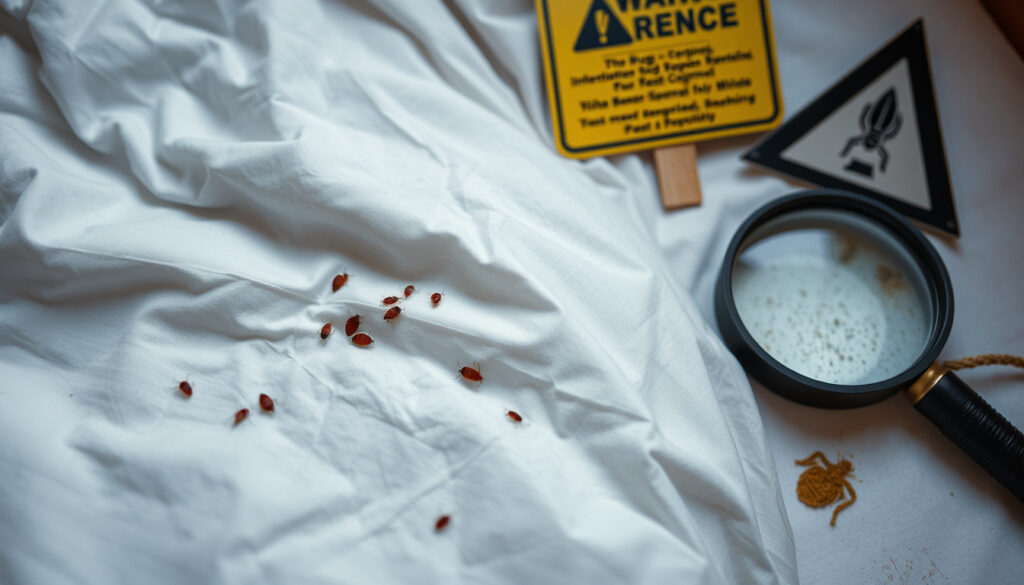
Where Do Bed Bugs Come From? Origins & How to Get Rid of Them
Anyone who’s ever dealt with a bed bug infestation knows the sinking feeling of discovering those tiny reddish-brown bugs in the mattress seams. The immediate question — “Where do bed bugs come from?” — is more than just curiosity; it’s the first step to stopping them. The answer starts with travel: these insects are expert hitchhikers, and the National Pest Management Association reports that 1 in 5 Americans has encountered them, mostly from trips.
Eggs per female: 200–500 ·
Survival without feeding: Up to several months ·
Hiding spot thickness: As thin as a credit card ·
U.S. infestation increase since 2000: 500%+ ·
Pest professionals treating bed bugs: 97%
Quick snapshot
- Bed bugs feed on human blood and are nocturnal (U.S. Environmental Protection Agency)
- They are not known to transmit diseases to humans (Northeastern IPM Center)
- Heat over 118°F kills bed bugs in 20 minutes (EPA)
- Infestations have risen globally since the early 2000s (NPMA via Anti-Pest Blog)
- Exact level of insecticide resistance in wild populations
- Whether bed bugs can spread through ventilation systems (possible but not definitively proven)
- Long-term effectiveness of certain essential oil–based repellents
- A single female bed bug can lay 200–500 eggs, and a new infestation can escalate within weeks (Anti-Pest Blog)
- Inspect luggage after every trip, use bed bug interceptors, and consider professional treatment if you find signs of an infestation (EPA)
Six biological facts about bed bugs, one pattern: their incredible reproductive capacity and resilience make early detection the only reliable defense.
| Attribute | Value |
|---|---|
| Scientific name | Cimex lectularius (common bed bug) |
| Adult size | 4–5 mm (¼ inch) |
| Lifespan | 6–12 months |
| Eggs per female | 200–500 |
| Hatching time | 6–10 days |
| Feeding frequency | Every 5–10 days |
How do bed bugs start?
Bed bugs didn’t originate from dirt or decay. Cimex lectularius has coexisted with humans for thousands of years, likely evolving from bat parasites in the Middle East. But the modern story of how they enter your home is almost entirely about travel and secondhand goods.
Where do bed bugs come from originally?
- Bed bugs are believed to have originated in caves from bat hosts and later adapted to human dwellings as civilizations expanded. Today they are found on every continent except Antarctica (Northeastern IPM Center).
How do bed bugs get into your home?
- They are expert hitchhikers. The most common vectors are luggage, clothing, and used furniture brought into a home after travel or purchases (U.S. Environmental Protection Agency (EPA)).
- Hotels, dorm rooms, and public transportation are high‑risk zones. Over 70% of bed bugs in hotels are found in bed‑related areas like mattress seams (Northeastern IPM Center).
Do bed bugs come from animals?
- Bed bugs do not originate from pets, but cats and dogs can transport them if they hide in bedding or carriers. The primary host is humans (Passport Health USA).
The implication: travel is the dominant vector. Inspecting hotel rooms and secondhand furniture before bringing them home cuts the risk by an order of magnitude.
What attracts bed bugs into your home?
Bed bugs are guided by simple biological cues — carbon dioxide, warmth, and body heat. Understanding these drivers helps you interrupt their path.
Do bed bugs prefer dirty homes?
- No. Dirt or filth does not attract them. However, clutter provides more hiding spots, which makes an infestation harder to control (EPA).
What scent attracts bed bugs?
- Bed bugs are attracted to carbon dioxide exhaled by humans and to the warmth of the human body. They are not drawn by food scraps or garbage (Northeastern IPM Center).
Can bed bugs come from outside?
- Yes, but not from gardens or yards. Bed bugs can travel from neighboring apartments through cracks in walls, along utility lines, or via shared laundry facilities (Northeastern IPM Center). They also hitchhike on used furniture brought inside.
What this means: a clean home is not immune. The focus should be on sealing cracks, inspecting secondhand items, and using mattress encasements.
Where do bed bugs hide on your body?
Contrary to a common myth, bed bugs do not live on the human body. They feed quickly and retreat to nearby hiding places.
Do bed bugs live in pillows?
- Bed bugs can live in pillows if there is access to seams, zippers, or tears. They prefer the edges of pillows over the inner filling. Checking pillow seams for dark spots (excrement) is a reliable early sign (Passport Health USA).
Can bed bugs crawl on your skin all day?
- No. They are nocturnal and prefer to feed while the host is asleep. After feeding, they retreat to cracks and crevices near the bed. They may hide in clothing or shoes left on the floor (EPA).
What are the signs of bed bugs in bedding?
- Rusty or dark spots on sheets are bed bug droppings. Shed skins, eggshells, and a sweet, musty odor are also indicators. A thorough inspection should cover mattress seams, box springs, and the headboard (Passport Health USA).
The pattern: bed bugs stay within a few feet of their host. Focus inspections on the sleeping area and use light‑colored bedding for easier spotting.
What instantly kills bed bugs?
Several methods kill bed bugs on contact or within minutes, but each has limitations.
What kills bed bugs immediately?
- High heat — at least 118°F applied for 20 minutes — kills all life stages, including eggs. Steam cleaning is a practical way to deliver heat to mattress seams and upholstery (EPA).
- Freezing below 0°F for several days can also kill bed bugs, but home freezers may not reach that temperature consistently.
What causes bed bugs to die?
- Insecticides containing pyrethroids are common, but resistance has been documented in many populations. Integrated pest management (IPM) — combining heat, vacuuming, and targeted chemicals — is more reliable (Northeastern IPM Center).
Does heat kill bed bugs?
- Yes. Professional heat treatments raise room temperature to 120–140°F, penetrating furniture and cracks. However, vacuuming alone removes bed bugs but does not kill eggs, so it must be paired with heat or chemicals (EPA).
The catch: no single method works in isolation. Heat kills on contact, but bed bugs hidden deep inside walls may survive without a whole‑room treatment.
This means travelers face the highest risk because bed bugs hitchhike on luggage. The solution: inspect hotel rooms using the EPA’s checklist before unpacking — check mattress seams, headboards, and luggage racks. Even a single missed bed bug can restart an infestation within weeks.
How to get rid of bed bugs?
Successful elimination requires a methodical approach known as integrated pest management (IPM). It combines cleaning, heat treatment, targeted insecticides, and prevention.
Are three bites in a row always bed bugs?
- Bites in a linear or clustered pattern are suggestive of bed bugs, but they are not diagnostic. Other insects can leave similar marks. Look for physical signs — droppings, shed skins, live bugs — to confirm (Northeastern IPM Center).
What is the best DIY treatment?
- Step 1: Wash and dry all bedding and clothing on high heat (at least 30 minutes in the dryer).
- Step 2: Vacuum thoroughly — mattress seams, box springs, baseboards, and furniture. Dispose of the vacuum bag immediately in a sealed plastic bag.
- Step 3: Encase mattresses and box springs in bed‑bug‑proof covers.
- Step 4: Apply a registered insecticide (look for one labeled for bed bugs) to cracks and crevices. Avoid foggers, which can scatter bed bugs (EPA).
- Step 5: Use bed bug interceptors under bed legs to monitor and trap any survivors.
When should you call a professional?
- If the infestation is widespread, if DIY methods fail after two weeks, or if you live in a multi‑unit building where bed bugs can travel between apartments. Professional exterminators can use whole‑room heat treatments and residual insecticides that are more effective than consumer products (NPMA via Anti-Pest Blog).
“Travel is the leading cause of bed bug infestations, as bed bugs hitchhike on luggage, clothing, and personal items.”
— National Pest Management Association (Anti-Pest Blog)
“Bed bugs can survive several months without a blood meal, making early detection critical.”
— University of Kentucky Entomology (cited via Northeastern IPM Center)
For travelers, the choice is clear: inspect every hotel room and steam luggage upon return, or risk bringing the problem home. The data shows that prevention — a 10‑minute inspection — costs a fraction of what professional extermination does.
A traveler who skips inspection is gambling with a pest that can multiply from one female to hundreds within weeks.
Understanding where bed bugs come from is the first step in prevention, and a detailed look at bed bug origins and myths can help dispel common misconceptions.
Frequently asked questions
Can bed bugs fly?
No. Bed bugs do not have wings and cannot fly. They crawl, and they are very good at climbing surfaces like wood, fabric, and even some plastics (EPA).
How long can bed bugs live without food?
Adult bed bugs can survive for several months without a blood meal, though younger nymphs die sooner. This is why a vacant room can still harbor an infestation (Northeastern IPM Center).
Do bed bugs only come out at night?
They are primarily nocturnal, but if they are hungry and the host is still during the day, they may feed in daylight. They prefer darkness and hiding during the day (EPA).
Can bed bugs survive a washing machine?
The washing machine alone does not kill bed bugs because the water temperature is rarely high enough. However, a dryer on high heat for 30 minutes will kill all stages (EPA).
Are bed bugs visible to the naked eye?
Yes. Adults are about 4–5 mm long (the size of an apple seed) and are reddish-brown. Nymphs are smaller and lighter, but still visible (Passport Health USA).
How do I check for bed bugs in a hotel room?
Pull back the sheets and inspect mattress seams, check the headboard, and look inside nightstand drawers. Keep luggage on a hard luggage rack away from the bed. Use the EPA’s travel tips for a full checklist.
What is the fastest way to get rid of bed bugs?
Professional heat treatment is the fastest — it kills all life stages in one day. For DIY, steam cleaning and high‑heat drying are the quickest options, but they require thorough coverage (EPA).
More related posts
 AD&D Insurance: Coverage, Exclusions, and Costs
 Precio del Dólar Hoy en Elektra: Rate Comparison
 How Old Am I? Calculate Your Age in Years, Days, and Seconds
 Non-Emergency Medical Transportation Services – Eligibility and Coverage Guide
 Las Vegas Raiders Coach Fired – Full Story Timeline Reasons
 Apple Pie Filling Recipe – Easy 20-Minute Stovetop Guide
 Sur La Table Cooking Classes: Ireland Reviews & Locations
 Savannah Guthrie Mom Update Today: Nancy Guthrie Missing